

Types of Car Speakers You Need to Know About

Coaxial speaker installation in Chennai
Types of Car Speakers

When it comes to enhancing your driving experience, the right sound system can make all the difference. Car speakers are at the heart of that audio magic. They transform mundane commutes into exhilarating journeys filled with your favorite tunes. But with so many options available, how do you know which types of car speaker will elevate your music enjoyment? This guide dives deep into eight essential types of car speakers that every audiophile should consider. Whether you’re a casual listener or a dedicated sound enthusiast, understanding these speaker types will help you choose the perfect fit for your vehicle and musical taste. Let’s explore what each type has to offer!

Car speakers are typically classified according to their function and layout. Here are the most frequently encountered car audio speaker types:

Coaxial Speakers


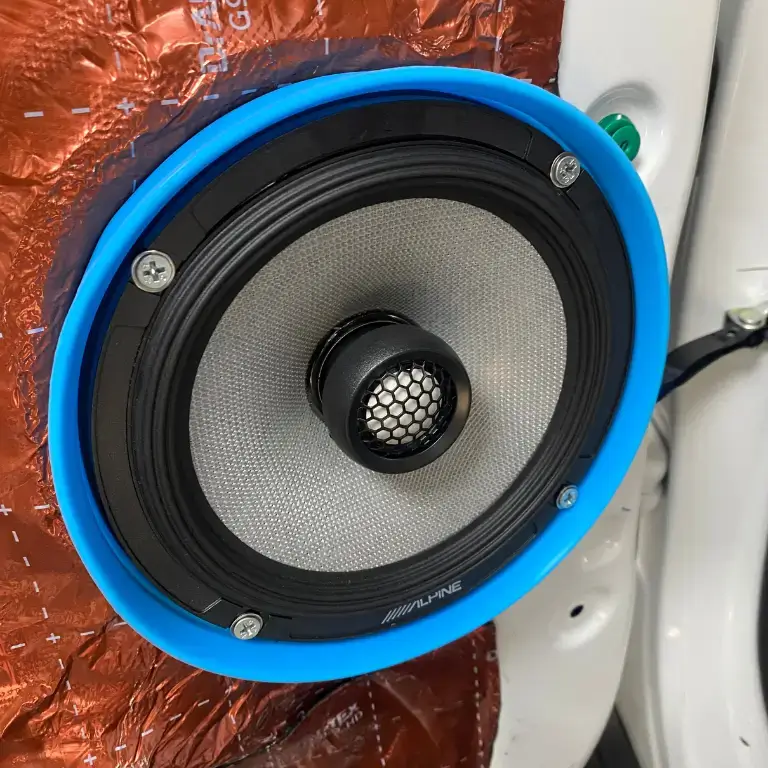
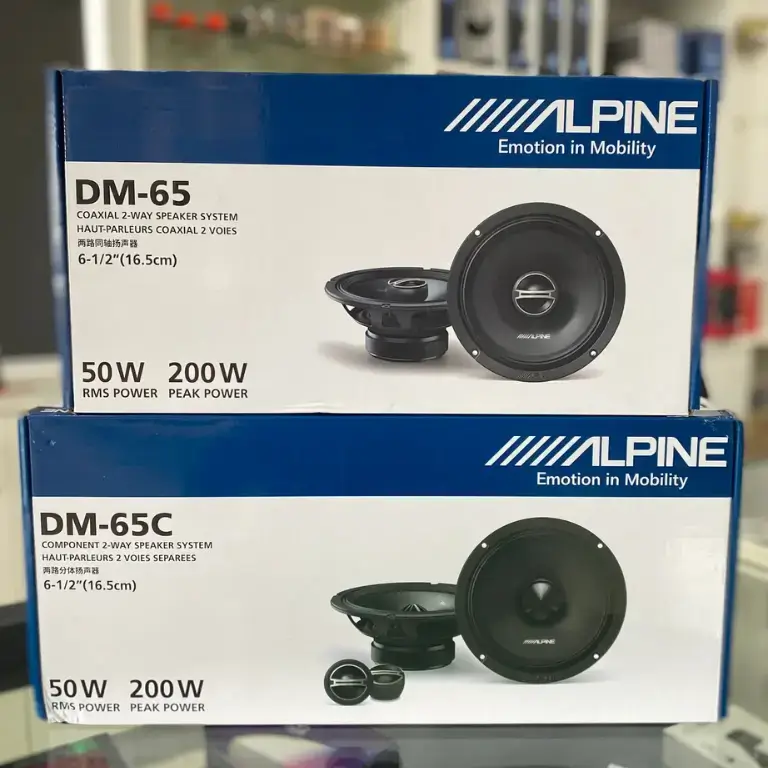
Coaxial or full-range speakers are the typical choice for car audio systems. They combine various speaker elements, such as a woofer and tweeter, into one compact unit. Some models even include a midrange driver to enhance the overall audio experience.

Advantages:

  • Cheap and simple to set up.
  • Compact design
  • Suitable audio performance for non-audiophiles

There are a few drawbacks

  • Decreased sound resolution when compared to component speakers.
  • Restricted frequency differentiation

Component Speakers


Component speakers are a great addition to any sound system. With their high-quality audio and sleek design, component speakers add an extra level of depth and clarity to your music. They are a must-have for any audiophile looking to elevate their listening experience.

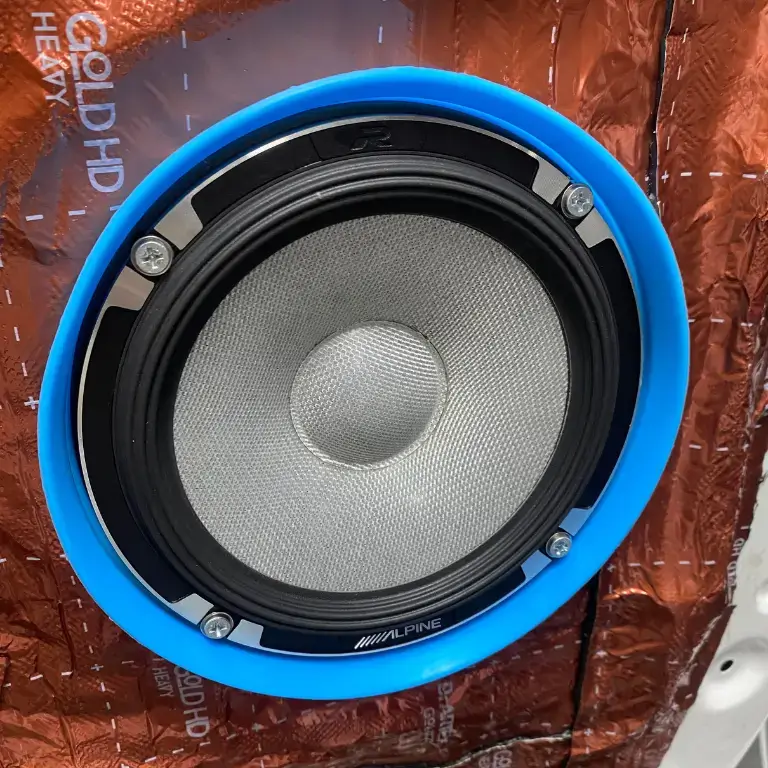
Component speakers are specifically crafted to deliver superior sound performance. Unlike coaxial speakers, they divide various audio elements (such as woofers, tweeters, and occasionally midrange drivers) into separate units, enabling more favorable placement and dispersion of sound.

One of the major advantages of this program is the numerous benefits it offers. These rewards make it well worth participating in.

  • Improved acoustics
  • Enhanced flexibility in personalisation and tuning capabilities.
  • Enhanced differentiation in frequency

Disadvantages:

  • Pricier than coaxial speakers
  • Additional installation is necessary.

Tweeters


Tweeters, being specialized speakers, excel in handling high-frequency sounds (usually above 2,000 Hz). As such, they are crucial in delivering a crisp and detailed treble, resulting in enhanced clarity for instruments and vocals.

Even though repetition is an important tool for emphasizing certain points and making them memorable, overusing it can make the message lose its impact.

  • Improves high-frequency sound quality
  • Minimizes high frequency distortion
  • Perfect for music enthusiasts.
  • The downsides of this product include its high cost and limited availability.
  • Proper placement is necessary for achieving optimal performance.
  • Lacks output in the bass and midrange ranges.

Mid-Range Speakers

Midrange speakers are an essential component in any audio system. They play a crucial role in producing clear and balanced sound, particularly in the middle frequencies.

Midrange speakers specialize in the middle range of the sound spectrum, usually encompassing frequencies ranging from 250 Hz to 2,000 Hz. With impeccable precision, they accurately reproduce both vocals and instrumentals.

Advantages:

  • Crucial for producing distinct vocals and instrumentals
  • Bridges the distance between low and high tones.
  • Offers an equalized auditory encounter

Disadvantages:

  • Incorporates woofers and tweeters to achieve a complete audio experience.
  • Limited low and high-pitched sound reproduction
  • Woofers are large speakers that can produce powerful bass sounds. They are commonly used in audio systems and concert venues to enhance the low-frequency range of music.
  • Woofers are specifically designed to generate low-pitched audio, usually falling between the range of 40 Hz and 500 Hz. They play a crucial role in creating a robust bass and immersive sound quality.

Advantages:

  • Improves low frequency performance
  • Enhances the richness of music.
  • Perfect for music styles that emphasize low-frequency sounds.
  • There are some negative aspects to consider:
  • Needs extra room for setup
  • Require correct adjustment for prevention of distortion.

Subwoofers

Subwoofers are known for their ability to produce deep, powerful bass. This feature is what sets them apart from traditional speakers. With a subwoofer, you can feel the low frequencies of your music or movies, adding another dimension to your audio experience.

Subwoofers elevate bass production to a whole new level, effortlessly managing frequencies as low as 20 Hz. As such, they are ideal for music aficionados seeking an intense and impactful bass experience.

Advantages:

  • Generates rich low frequencies with powerful impact.
  • Lessens pressure on primary speakers
  • Improves the overall audio experience.
  • One potential issue to consider is the drawbacks that may arise.
  • Optimal performance requires the use of an amplifier.
  • Occupies extra room in the vehicle

Super Tweeters are a popular speaker component among audiophiles. They are known for their ability to produce high-frequency sounds that add clarity and detail to music. These speakers are often used in combination with traditional tweeters to enhance the overall sound quality.

Super tweeters are specifically created to enhance the reproduction of high-frequency sounds beyond the capacity of regular tweeters, usually surpassing 10,000 Hz. Their purpose is to refine and amplify the intricacies of ultra-high frequencies.

Advantages:

  • Improves the quality of sound by increasing its level of detail and clarity.
  • Perfect for premium sound systems.
  • Disadvantages or limitations:
  • Unnecessary for the majority of listeners.
  • Precise adjustments are necessary.

To enhance your listening experience, it’s important to have an understanding of the various types of car audio speakers available when upgrading your vehicle’s audio system. You can go for the convenience of full-range coaxial speakers or opt for high-performance component speakers if you prioritize superior sound quality. Ultimately, selecting the right setup is crucial in optimizing your car’s audio capabilities.

Furthermore, when enhancing your car’s audio system, it is imperative to also obtain a comprehensive car insurance plan to safeguard your vehicle and its components from unforeseen circumstances. Choosing top-notch speakers and reliable insurance coverage will guarantee a secure and pleasurable driving experience.

With the right car speakers, you can craft a personalized and engaging in-car entertainment setup that caters to your specific needs.

Types of Car Speakers

Frequently Asked Questions

It is generally not recommended to use a factory sound system to power aftermarket speakers. Here’s why:

Factory sound systems are designed to work specifically with the speakers and amplifiers that come installed in the vehicle. They are typically not powerful enough or configured to properly drive additional or upgraded speakers. Connecting aftermarket speakers directly to a factory system can result in several issues:

1. Insufficient power: Factory sound systems often have limited wattage output, which may not be enough to adequately power larger or more powerful aftermarket speakers. This can lead to poor sound quality, distortion, and potential damage to the speakers or the factory system.

2. Impedance mismatch: Factory speakers and aftermarket speakers may have different impedance ratings (measured in ohms). Connecting speakers with incompatible impedance can cause the factory system to work harder, potentially leading to overheating or other problems.

3. Lack of control: Factory sound systems typically have limited tone, volume, and equalization controls. Aftermarket speakers may require more fine-tuning and adjustments to achieve optimal sound quality, which may not be possible with the factory system.

To use aftermarket speakers with your vehicle, it is recommended to install a dedicated aftermarket amplifier and crossover network. This will allow you to properly power and control the new speakers, ensuring they perform at their best without causing any issues with the factory sound system. The additional components will provide the necessary power, impedance matching, and sound tuning capabilities to integrate the aftermarket speakers seamlessly.

Consulting with a professional car audio installer can help you determine the best way to upgrade your vehicle’s sound system while ensuring compatibility and proper integration. 

The main benefits of component speakers over coaxial speakers are as follows:

1. Improved sound quality: Component speakers, which consist of separate woofers, tweeters, and crossovers, are able to provide a more accurate and detailed sound reproduction compared to coaxial speakers. This is because the individual components can be optimized for their specific frequency ranges, resulting in a more balanced and natural-sounding audio experience.

2. Customization and flexibility: With component speakers, you have the ability to customize the system by selecting the appropriate woofers, tweeters, and crossovers to suit your specific audio preferences and the characteristics of your vehicle. This allows for a more personalized listening experience.

3. Better imaging and soundstaging: The separate woofer and tweeter configuration in component speakers can create a more accurate and immersive sound stage, with better separation and placement of instruments and vocals within the listening environment.

4. Higher power handling: Component speakers are generally designed to handle higher power input, allowing you to achieve higher volume levels and more dynamic range without compromising sound quality.

5. Improved installation options: The modular design of component speakers provides more flexibility in terms of placement and installation, as the individual components can be positioned in different locations within the vehicle to optimize the sound.

Overall, the enhanced sound quality, customization options, and improved imaging and sound staging make component speakers a preferred choice for audiophiles and those seeking a more advanced and immersive listening experience in their vehicles.

Yes, you can definitely replace your car’s factory speakers with aftermarket ones. This is one of the most common and effective car audio upgrades.

Benefits of upgrading:
• Better sound quality with improved clarity and range
• More powerful output with less distortion
• Enhanced bass response
• Potential for customized sound profiles

Key considerations before purchasing:
• Speaker size and mounting depth (check your vehicle’s specifications)
• Power handling capabilities (match with your head unit or amplifier)
• Impedance ratings (typically 4 ohms)
• Speaker type (component vs. coaxial systems)
• Your budget and sound quality expectations

The most common car speaker sizes are 6.5 inches, 6×9 inches, 5.25 inches, and 4 inches. These sizes are widely used in various vehicle models and are popular choices for upgrading or replacing factory speakers. The 6.5-inch speakers are typically used for front door installations due to their balanced size and sound quality, while 6×9-inch speakers are often found in rear decks or as part of a component system. Smaller sizes like 5.25 inches and 4 inches are commonly used for rear or side panels where space is limited.

When choosing speakers, consider not just the size that fits your vehicle, but also specifications like power handling (measured in watts) and sensitivity rating (measured in decibels) for the best audio experience.

Blue speaker mounted on textured surface
Scroll to Top