

What is Paint Protection Film?
Paint protection film, often abbreviated as PPF, is a transparent thermoplastic urethane material applied to the exterior surfaces of vehicles. Its primary purpose is to protect your car’s paint from various harmful elements.
This thin layer acts as a shield against scratches, stone chips, and environmental contaminants like bird droppings or tree sap. Unlike traditional waxing or sealants, PPF provides long-lasting protection without altering the appearance of your vehicle.
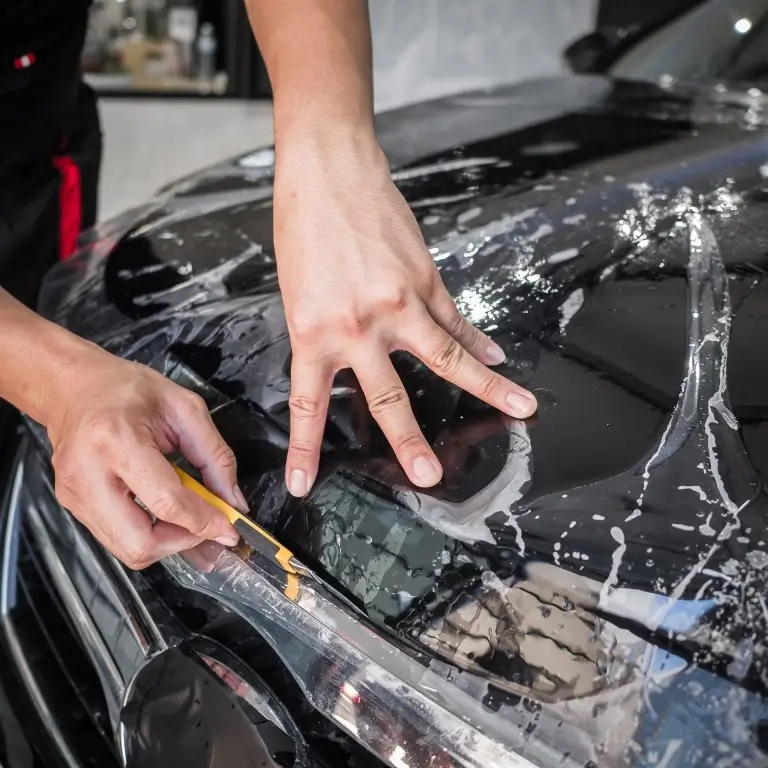
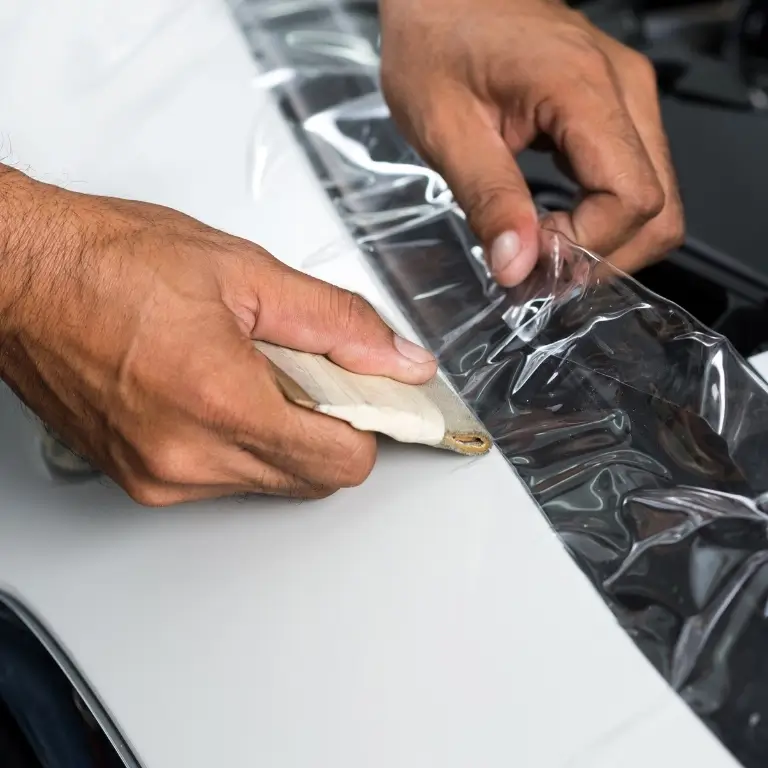
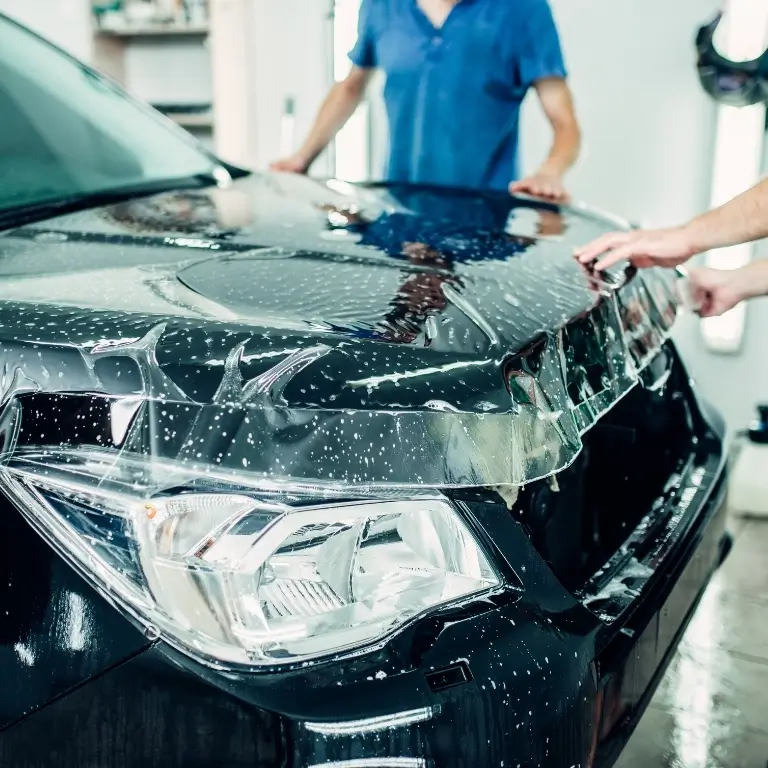
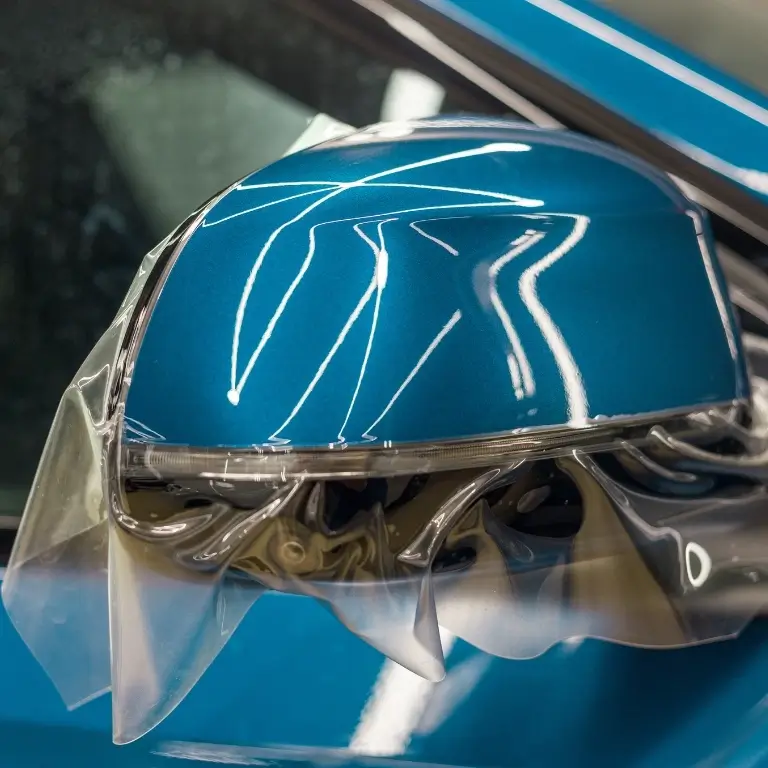
PPF can be customized for different parts of the car—from full-body coverage to targeted areas like hoods and bumpers. The installation process is typically performed by professionals who ensure that it adheres seamlessly to the surface.
Not only does this film preserve your car’s aesthetic appeal, but it also enhances its resale value by preventing unsightly damage over time.
How Does Paint Protection Film Work?
Paint protection film works by creating a robust barrier between your car’s paintwork and the outside elements. This clear, durable layer is made from thermoplastic urethane, which can absorb impacts and resist scratches.
When applied correctly, it adheres tightly to the surface of your vehicle, following every contour for maximum coverage. The self-healing properties of some films allow minor scratches to disappear when exposed to heat.
Additionally, this film protects against UV rays that can cause fading over time. It’s not just about aesthetics; it also safeguards your investment in the long run.
So whether you’re navigating through gravel roads or parked under harsh sunlight, paint protection film serves as an invisible shield that keeps your car looking fresh and new without compromising its original finish.
Types of Paint Protection Film
When considering paint protection film (PPF) for your car, it’s essential to know the different types available. Each type caters to unique needs and preferences.
- Self-healing PPF is a popular choice. It can repair minor scratches and swirl marks over time, thanks to its advanced polymer technology. This feature keeps your vehicle looking pristine longer.
- Matte finish films are designed for those who prefer a distinct look. They provide protection while maintaining a non-reflective surface that adds character without gloss.
- Clear bra films offer robust defense against chips and abrasions while remaining virtually invisible on your car’s paintwork. This option is ideal for maintaining the original aesthetics of your vehicle.
- Colored PPF allows you to add personality with vibrant hues or even custom designs. It’s perfect for those wanting more than just protection; it’s an expression of style too.
Benefits of Using Paint Protection Film
Paint protection film for cars offers numerous advantages that elevate vehicle care. First and foremost, it acts as a shield against scratches, chips, and contaminants. Everyday hazards like road debris or tree sap can damage your car’s finish; PPF provides an effective barrier.
Another notable benefit is the preservation of resale value. A well-maintained exterior enhances appeal to potential buyers. Cars with an intact paint surface are often more desirable in the market.
Moreover, this film features self-healing properties. Minor scratches can disappear over time when exposed to heat from sunlight or warm water, keeping your vehicle looking fresh.
Easy maintenance is another perk. The film repels dirt and grime, making cleaning less of a chore while maintaining that showroom shine.
Additionally, many films come with UV protection to prevent fading caused by sun exposure—crucial for those living in sunny climates.
Maintaining and Caring for Paint Protection Film
Maintaining paint protection film is crucial for its longevity and effectiveness. Regular cleaning is essential. Use a pH-balanced car wash soap to avoid damaging the film’s surface.
When washing, opt for a microfiber cloth or sponge. These materials are gentle enough to prevent scratches while ensuring your vehicle looks pristine.
Avoid using abrasive cleaners or brushes. They can strip away the protective layer and compromise the film’s integrity.
It’s also important to avoid intense heat exposure immediately after installation. Allow adequate curing time before subjecting your vehicle to direct sunlight or high temperatures.
Check the edges of the film periodically for any lifting or peeling. If you notice any issues, address them promptly with professional help to ensure optimal performance.
Consider applying a wax designed specifically for PPF every few months. This adds an extra layer of protection and enhances shine without harming the finish.
Another notable benefit is the preservation of resale value. A well-maintained exterior enhances appeal to potential buyers. Cars with an intact paint surface are often more desirable in the market.
Moreover, this film features self-healing properties. Minor scratches can disappear over time when exposed to heat from sunlight or warm water, keeping your vehicle looking fresh.
Easy maintenance is another perk. The film repels dirt and grime, making cleaning less of a chore while maintaining that showroom shine.
Additionally, many films come with UV protection to prevent fading caused by sun exposure—crucial for those living in sunny climates.
Alternatives to Paint Protection Film
If you’re exploring options beyond paint protection film, several alternatives can help keep your car’s exterior in top shape.
Ceramic coatings are gaining popularity. They create a durable layer that bonds to the vehicle’s surface, providing excellent resistance against scratches and UV damage. This option offers a long-lasting shine but requires professional application for optimal results.
Another viable choice is vinyl wraps. These colorful and customizable films not only protect your paint but also allow you to personalize your vehicle’s look. They’re easier to remove than PPF if you decide on a change down the line.
Waxing remains a classic method for protective care. Regular waxing helps shield against minor scratches and environmental contaminants while enhancing glossiness.
Specialized sprays offer temporary protection from dirt and grime, making them an easy DIY solution for those who prefer low-maintenance options without significant investment.